How to Read a US Recipe When You're Used to Metric
Struggling with American recipes that use cups, ounces, and Fahrenheit? This guide converts every US measurement to metric so you can cook with confidence.
GUIDES
Rachel
4/10/20263 min read
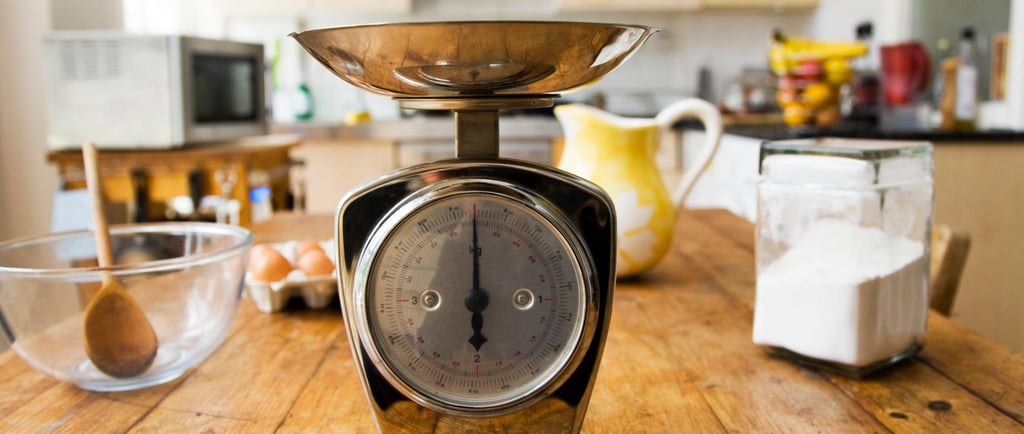
American recipes can feel like they're written in a foreign language if you grew up with metric measurements. Cups, tablespoons, ounces, Fahrenheit oven temperatures, and pounds of meat — none of these are intuitive if you're used to grams, millilitres, and Celsius.
The good news is that once you understand the key conversions, reading US recipes becomes second nature. This guide covers everything you need: weight, volume, temperature, and the most common measurements you'll encounter.
The Core Problem with US Recipes
Most of the world uses the metric system for cooking — grams for weight, millilitres and litres for volume, and Celsius for temperature. The United States uses a combination of imperial measurements and its own customary units that don't always align with either system.
The result is recipes that say things like "2 cups of flour", "1 stick of butter", "bake at 350°F", and "1 lb of chicken" — none of which map directly to metric without knowing the conversions.
Weight Conversions for Cooking
The most important weight conversions for US recipes:
Volume Conversions for Cooking
US recipes use cups, tablespoons, and teaspoons constantly. Here's how they convert to metric:
Oven Temperature Conversions
This is where most people get caught out. US recipes almost always use Fahrenheit for oven temperatures:
The single most useful one to memorise is 350°F = 175°C because it appears in more American recipes than any other temperature.
Common US Recipe Ingredients Decoded
"1 stick of butter" In the US, butter is sold in sticks. One stick equals 113 grams or half a cup. Most Australian and UK butter recipes use grams directly.
"1 cup of flour" This is trickier than it sounds because a cup of flour can weigh different amounts depending on how it's scooped. Generally 1 cup of plain flour equals about 125 grams, but for accuracy it's better to weigh ingredients.
"1 can of tomatoes" US standard can sizes differ from Australian ones. A standard US 14 oz can of diced tomatoes equals about 400 grams, which is the same as a standard Australian 400g tin.
"1 lb of ground beef / mince" 1 pound equals 454 grams, so just under 500 grams. If a recipe calls for 1 lb of mince, buying a 500g pack is close enough for most recipes.
"1 quart of chicken stock" 1 US quart equals about 950 ml, so essentially 1 litre. A standard 1 litre carton of stock is a direct substitute.
Frequently Asked Questions
Is a US cup the same as an Australian cup? Almost, but not exactly. A US cup is 236.6 ml while an Australian metric cup is 250 ml. For most recipes the difference is small enough not to matter, but for baking precision it can affect results.
Why don't American recipes use grams? The US uses its own customary measurement system that predates the metric system. Unlike most countries, the US never officially switched to metric, so recipes, packaging, and cooking tools all continue to use cups, ounces, and pounds.
What is the easiest way to convert US recipes to metric? The quickest approach is to use a kitchen scale set to grams for dry ingredients, measure liquids in a metric jug, and use the temperature conversion formula or a converter for oven temperatures. Once you have the key conversions memorised, it becomes second nature.
How do I convert cups to ml? Multiply the number of cups by 250 (using the Australian metric cup) or 237 (using the US cup). For most cooking purposes, treating 1 cup as 250 ml works fine.
Quick Tips for Cooking from US Recipes
Save the oven temperature table above as a photo on your phone for quick reference
Buy a digital kitchen scale — it removes all the guesswork with weight measurements
When in doubt, use a converter tool for precise measurements
For baking especially, accuracy matters more than for savoury cooking
Use the free converters on Simple Unit Convert for any measurements you need — including kg to lbs, Celsius to Fahrenheit, and liters to cups.
About
Simple Unit Convert
Convert units instantly — weight, length, volume, and temperature made simple.
Links
Popular conversions
No login required • Free to use • Works worldwide
© 2026. Simple Unit Convert | All rights reserved.